Resource System
How Rift energy is generated and spent.
Riftbound replaces the traditional land or mana system with a dedicated 12-card Rune Deck. It is kept completely separate from your Main Deck, never shuffled in, and follows its own rules.
The result: no bad draws, no resource flood, no resource screw. Both players start on equal footing every single game.
Cards in your Rune Deck
Channeled 2 at a time — your entire resource supply for the game.
Channeling Runes
Channel Phase
- You always gain exactly 2 runes per turn. The player going second gains 3 runes on their first turn only to compensate for acting second
- Your Rune Deck holds 12 cards, giving you 6 turns of guaranteed channeling
- If your Rune Deck is empty, you channel 0 runes — the game does not end
Energy Cost
Think of energy like filling up a gauge. Each rune you exhaust adds one unit to that gauge. When you play a card, the gauge empties — those exhausted runes are the price you paid to put it on the board.
Energy is completely colorless. It does not matter whether you exhaust a Fury rune, a Mind rune, a Calm rune, or any other type. All runes contribute equally to the gauge. The only thing that matters is that you exhausted the correct number to match the card's energy cost.
A card that costs 4 energy can be paid with any combination of rune types — two Mind and two Calm, any other mix. Color is irrelevant. Count is everything.
Exhaust runes to fill energy gauge
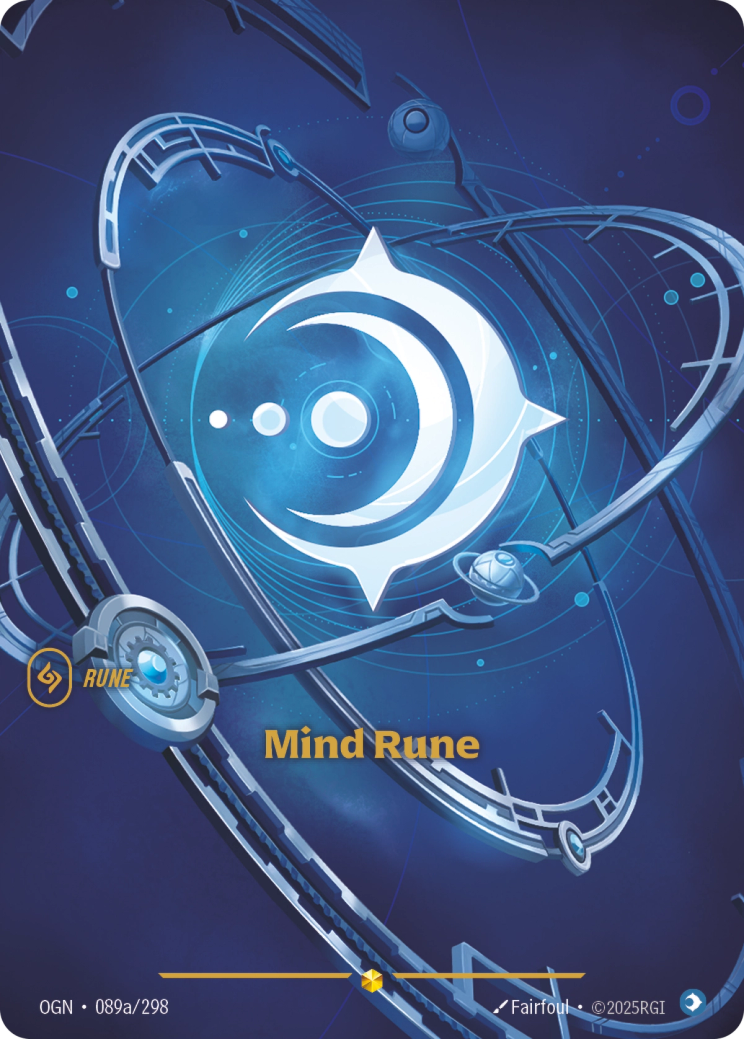
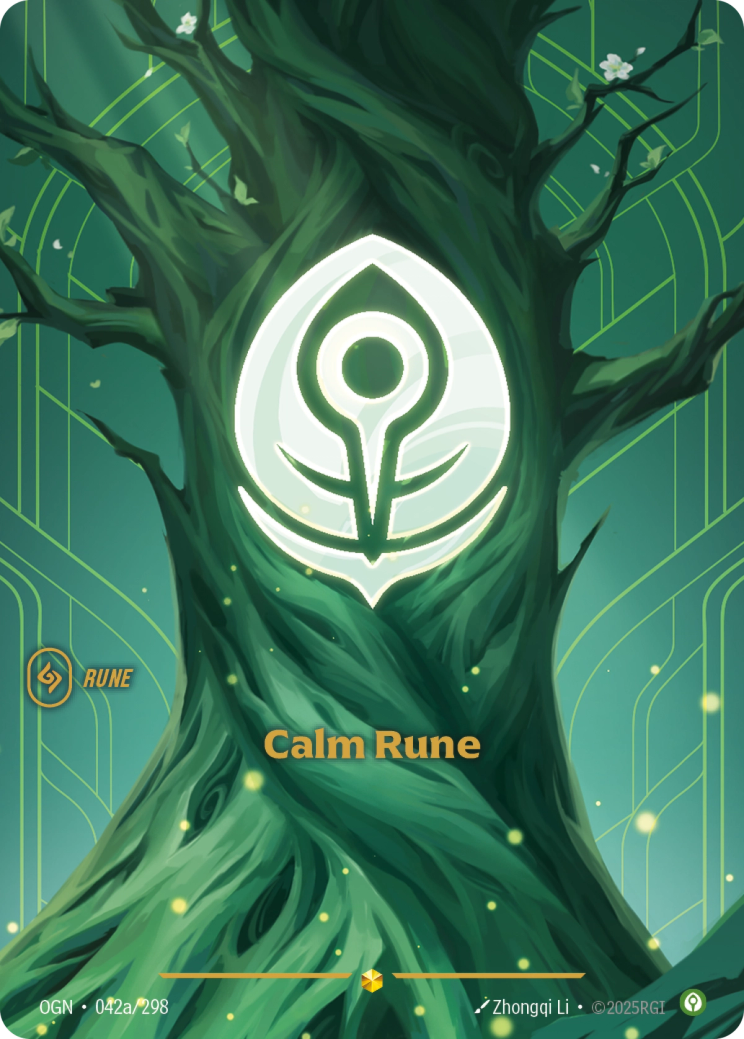
When you pay an energy cost, the rune is exhausted — rotated sideways and temporarily unavailable. Exhausted runes come back during your next Awaken phase, so think of it like a battery: you drain it this turn, and it recharges automatically before your next one.
What this means in practice:
- Energy costs are low-risk and renewable — you always get the rune back
- You can spend energy freely without worrying about permanently shrinking your pool
- Exhausted runes are still in your pool — they just can't be spent again until they recover
- An opponent who knows your runes are exhausted will push aggressively, knowing you can't respond
Holding energy runes open — rather than spending everything — is one of the most powerful positions in Riftbound. An untapped pool threatens a response your opponent has to play around, even if you never use it.
Try It — Pay to Play
See if you can exhaust exactly the right number of runes to get this card onto the board.
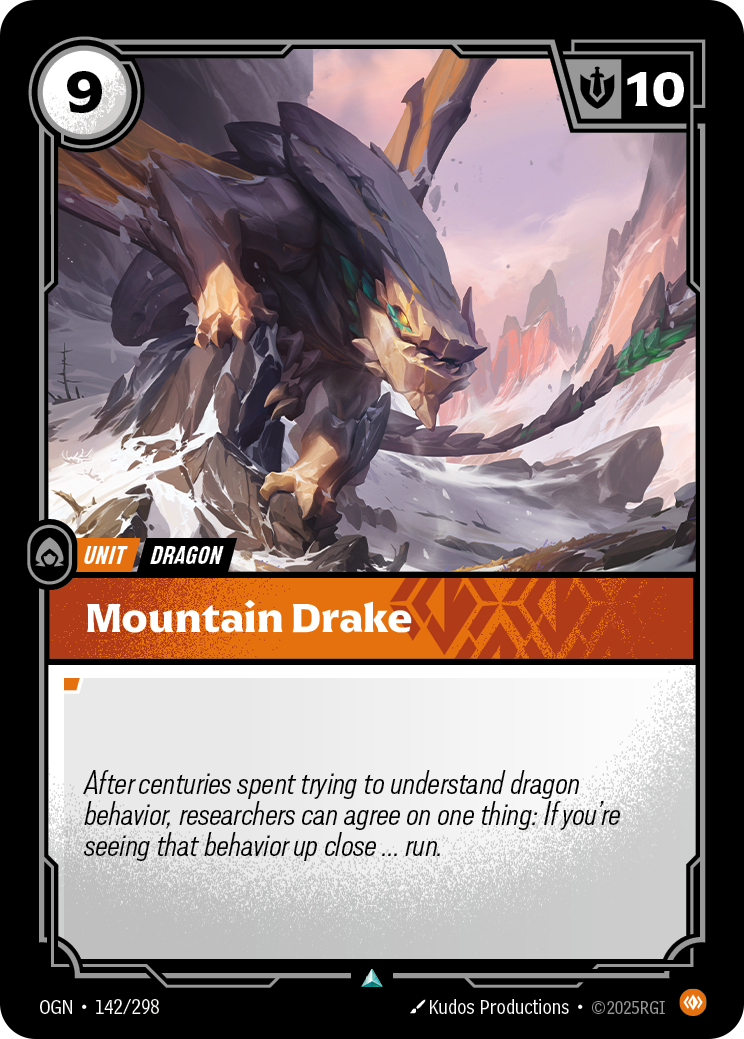 Mountain Drake9 Energy
Exhaust 9 runes for energy to play Mountain Drake.
Power Cost
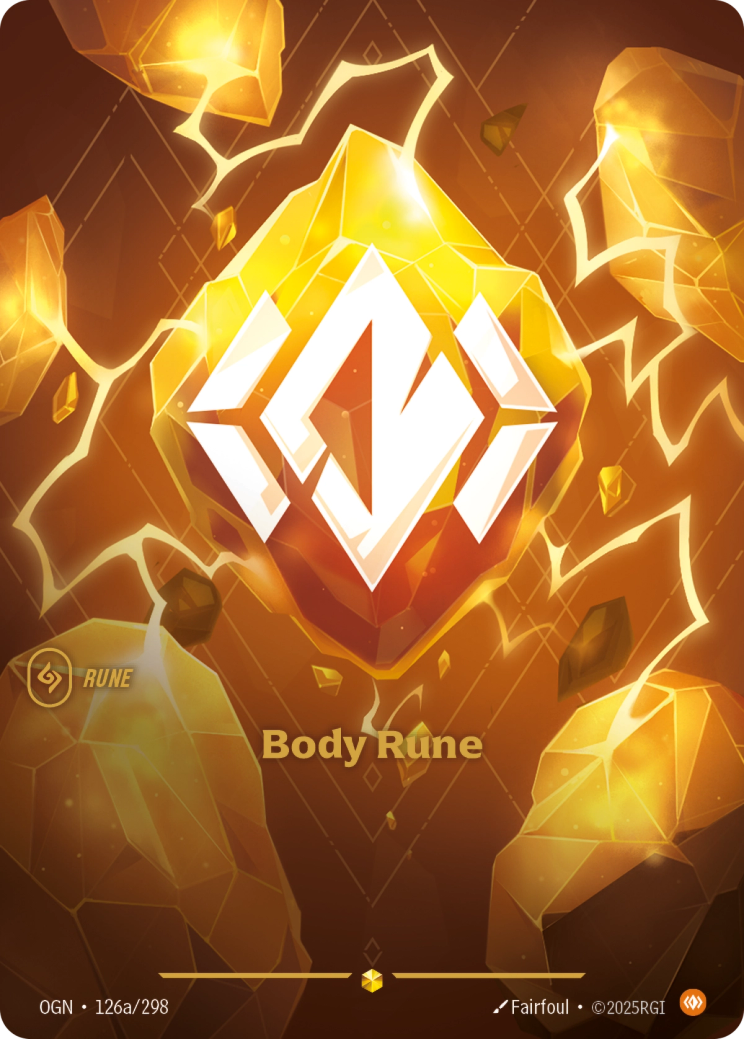
Power works like a second gauge sitting alongside energy — but where energy is colorless, power is not. The type of rune you recycle must match the type of power the card demands.
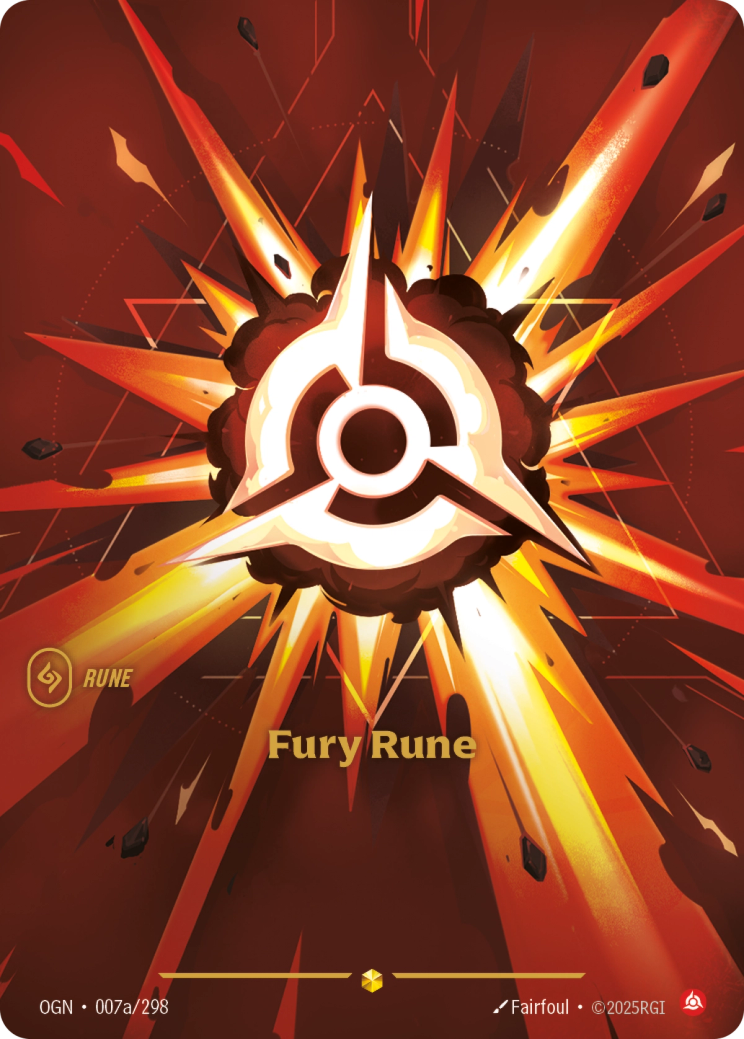
- Fury Power can only be paid with recycled Fury Runes
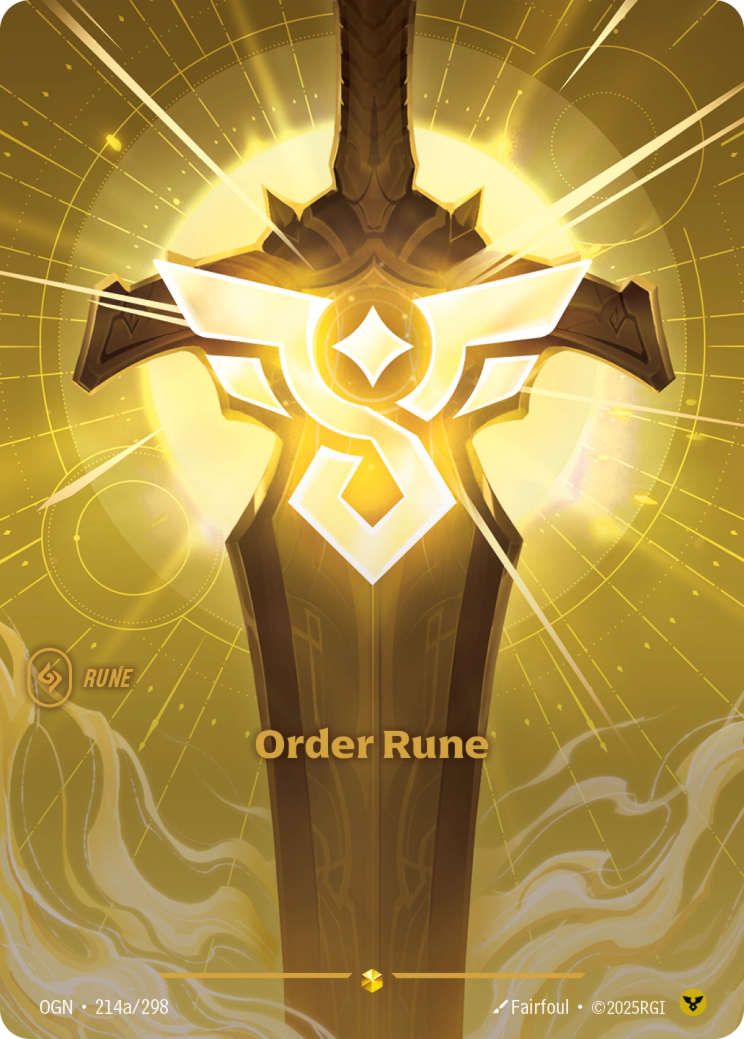
- Order Power can only be paid with recycled Order Runes
- Rainbow Power can be paid with any recycled rune, regardless of type
A card asking for 2 Fury Power requires you to recycle exactly 2 Fury Runes — you cannot substitute one type for another.
Click a rune to exhaust it, then click again to recycle it as power. Watch both gauges respond.
Click a rune to exhaust it, then click again to recycle it as power. Watch both gauges respond.
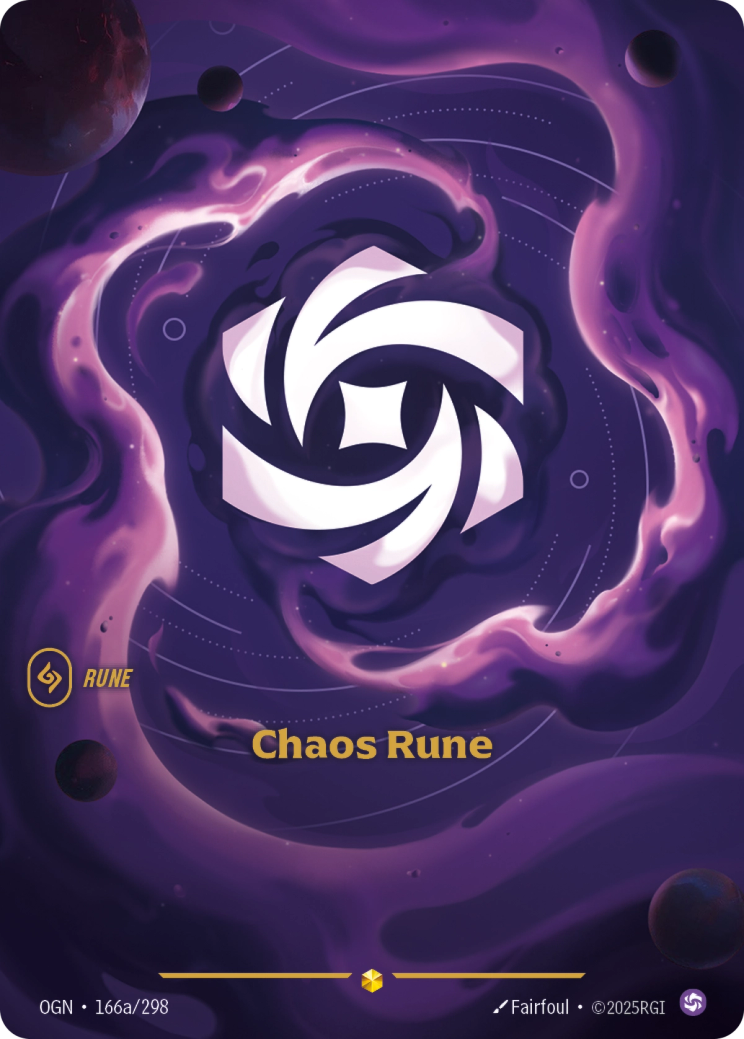
When you pay a power cost, the rune is recycled — removed from your pool and returned face-down to your Rune Deck. Unlike an exhausted rune, a recycled rune does not come back next turn. It re-enters the bottom of your Rune Deck and will only return when channeled again in a future turn.
What this means in practice:
- Power costs permanently reduce your available pool until the rune cycles back
- The effect or card you played must be worth the tempo loss of a smaller pool
- Paying power early in the game is riskier — you have fewer total runes to work with
- Paying power late is often correct — you may not need the rune again before the game ends
Do not spend power costs reactively or on low-impact plays. A recycled rune for a small effect leaves you underpowered for several turns. Save power costs for plays that immediately shift the board state in your favour.
Try It — Pay Energy and Power
Some cards cost both. Exhaust runes to fill the energy gauge, then recycle the right colored runes to fill the power gauge.
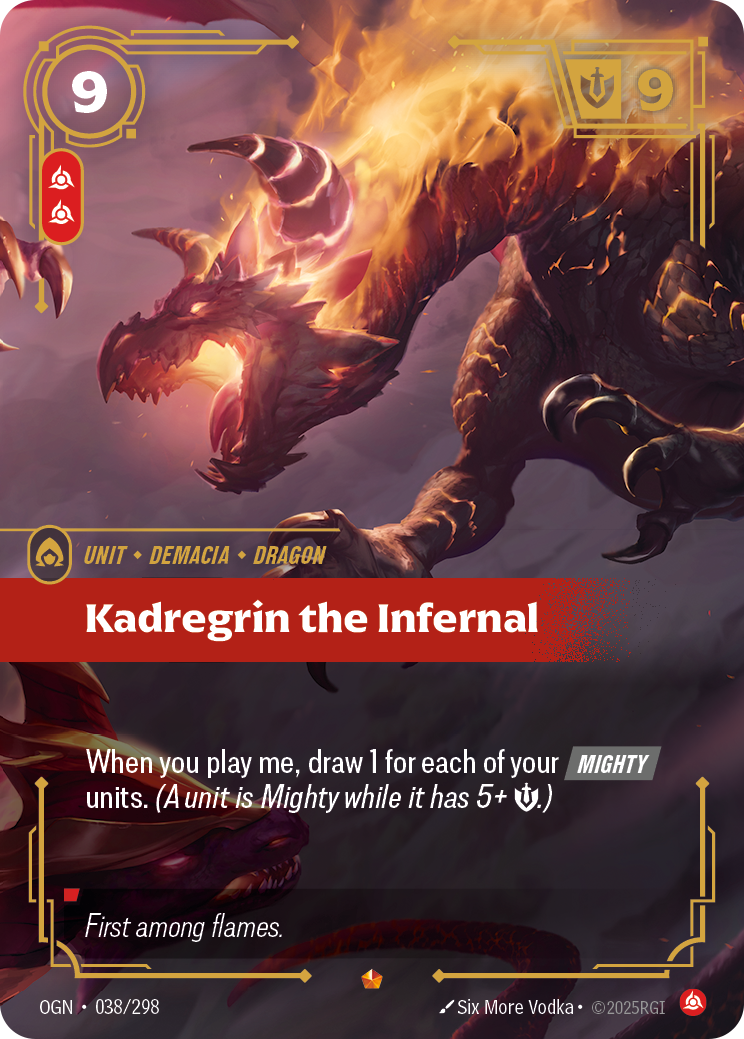 Kadregrin the Infernal
Exhaust 9 runes for energy, then recycle 2 runes for power to play Kadregrin the Infernal.
Energy vs Power
| Energy Cost | Power Cost | |
|---|---|---|
| What happens to the rune | Exhausted — rotated sideways | Recycled — removed from pool |
| When you get it back | Next Awaken phase | When channeled again |
| Color required | None — fully colorless | Yes — must match power type |
| Risk level | Low — always recovers | High — costs future tempo |
| Best used for | Everyday plays | High-impact, game-changing effects |
Pool Management
Your Rune Pool is everything available to spend right now. Managing it well is the difference between a reactive player and a proactive one.
Spending builds board presence now. Saving threatens a response your opponent has to respect — even if you never use it.
Energy costs are safe and renewable. Power costs win you the turn but cost you the next few. Only pay power when the effect justifies the trade.
Passing with open runes is pressure. An empty pool tells your opponent exactly what you can and cannot do — they will punish it.